

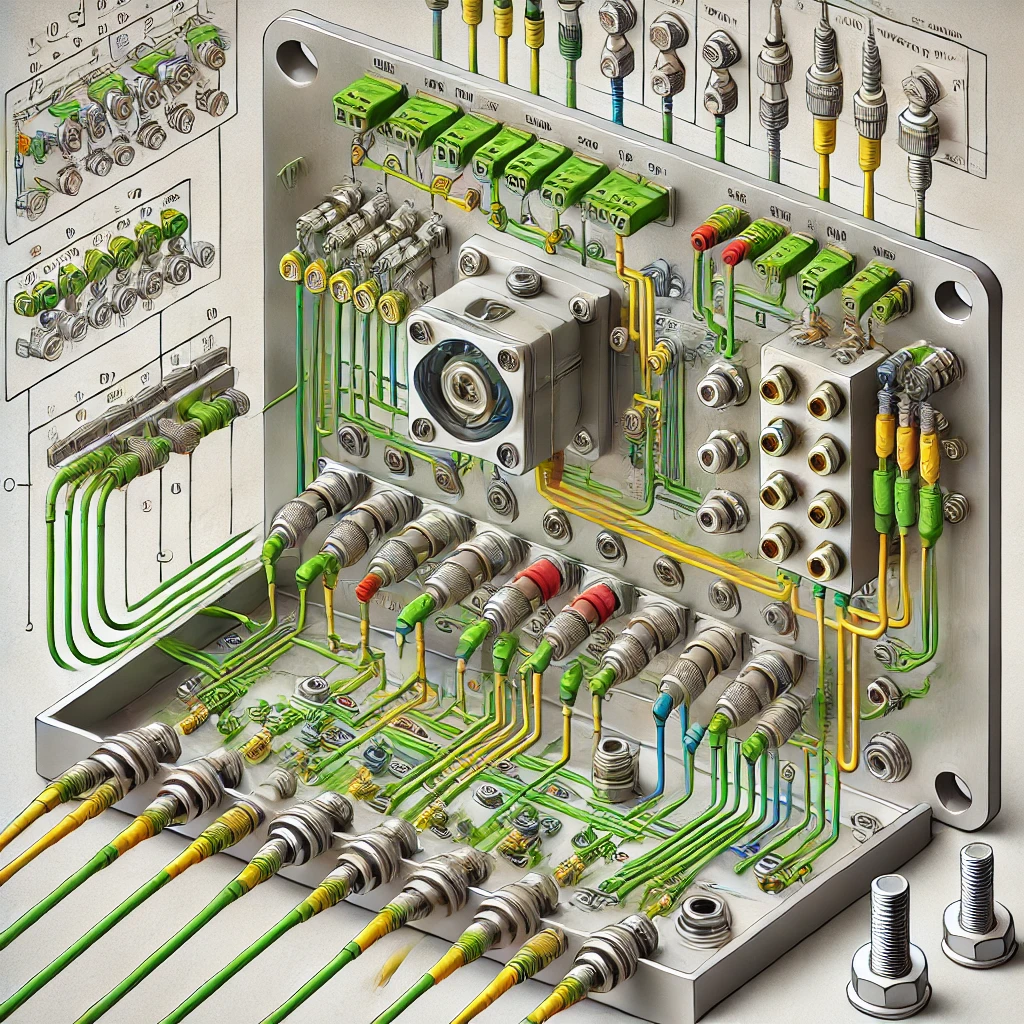
In the world of electronic devices, Electromagnetic Interference (EMI) is a significant concern for engineers. EMI filters are an essential component for most types of systems or equipment as they ensure proper operation without interference to or from other systems. However, to maximize the effectiveness of EMI filters, proper installation is crucial. This article explores the best practices for placing and installing your EMI filter, ensuring optimal performance and compliance with industry standards.
The Importance of Proper EMI Filter Placement
Proper EMI filter placement is key to reducing interference and maintaining the integrity of your system’s performance. Grounding/bonding, wiring, and mounting all play critical roles in achieving the best results. By ensuring that your EMI filter is correctly positioned, you can reduce unwanted noise and protect sensitive equipment from electromagnetic disturbances.
1. Grounding and Bonding of EMI Filters
The first step in ensuring optimal EMI filter performance is ensuring proper grounding and bonding to the host equipment. Proper grounding minimizes impedance and ensures the filter operates at peak efficiency. Here are some key points to consider when grounding your EMI filter:
-
Filter Housing Bonding: Ensure the filter housing is bonded to the host cabinet via a metal-metal connection. All surfaces should be conductive, and no insulating materials, such as paint, should be present on bonding surfaces.
-
Grounding Non-Metal Housings: For non-metal housings, the filter is grounded via the incoming safety wire. This wire should be as short as possible when it enters the host equipment.
-
Flat Braid Connections: Any connections to the cabinet’s metal frame should be made using flat braided straps, not wires. This ensures a low impedance ground/bond, especially at high frequencies.
-
Safety Wire Redundancy: As redundant safety wire connections may be required, keep ground connections as short as possible. Use a flat braided ground strap, which provides increased surface area for better grounding.
Proper grounding of the EMI filter ensures the device is safely bonded to the host equipment, helping prevent issues related to electromagnetic noise propagation.
2. EMI Filter Wiring and Cable Layout
The wiring and cable layout are vital to maintaining EMI filter performance. By controlling how wires are arranged, you can reduce alternate noise paths that might otherwise interfere with your equipment’s functionality.
-
Isolation Between Input and Output Wires: Ensure that the filter input and output wires are physically separated to avoid noise transfer between them. Keeping these wires isolated is key to effective EMI filtering.
-
Power and Control Wiring Separation: Power and control wiring must not run in parallel. Always ensure that control wires are kept separate from the incoming power lines to the filter to minimize electric induction.
-
Routing Along Metal Surfaces: Route wires as close as possible to the host cabinet’s metal surfaces. This decouples noise from the wires and helps reduce electromagnetic interference.
-
Use of Shielded Wiring: For additional protection, use shielded wiring for the filter input wires. Ensure that both ends of the shielded cables are properly terminated to minimize the risk of radiated noise affecting the filter’s performance.
Following these best practices will enhance the efficiency of your EMI filter by minimizing noise interference and ensuring that the filter operates in the most effective way possible.
3. Proper Mounting of EMI Filters
The mounting of an EMI filter is crucial for ensuring the device’s performance. If the filter is not mounted correctly, stray capacitance could cause noise to propagate, defeating the purpose of the filter altogether. Here’s how you should approach EMI filter mounting:
-
Close Placement to the Power Entry Point: The filter should be located as close as possible to the entry point of the input power wires. This minimizes the amount of wiring required and reduces the chances of EMI interference.
-
Bulkhead Mounting for Optimal Performance: Whenever possible, mount the filter to the host cabinet using a bulkhead mount. This eliminates the need for input wiring into the system and ensures that the filter is directly connected to the power source.
-
Short Input Wires: If bulkhead mounting is not possible, make sure that the input wires or cables are kept as short as possible. Shielding these wires may also be necessary to reduce the chances of EMI interference.
-
Additional Filters for EMI Sources: In some cases, you may need to add additional filters in areas where EMI sources are concentrated. By placing filters closer to these sources, you can further reduce the risk of electromagnetic interference.
Proper mounting helps in achieving the optimal performance of the EMI filter, ensuring that it works effectively in preventing unwanted interference.
4. Understanding EMI Filter Grounding
Grounding is a critical aspect of EMI filter installation. Without proper grounding, the filter will lose its ability to attenuate common-mode noise, which is primarily addressed through the use of Y-capacitors in the filter.
-
Shielded Wiring: Use shielded wiring wherever possible to protect the system from external interference. Connect the system ground directly to the EMI filter.
-
Metal-to-Metal Grounding: Ensure that the filter housing is grounded to the host cabinet using a metal-to-metal connection. This ensures that the filter remains effective at high frequencies.
-
Reducing Ground Impedance: To achieve low impedance at high frequencies, use a thick and short ground wire. This minimizes resistance and allows the filter to perform optimally.
-
Mounting the Filter on Bare Metal: For best results, mount the filter directly to a bare metal grounded panel. This ensures that the filter is connected to a solid ground, improving its attenuation performance.
Proper grounding ensures that the EMI filter can provide the necessary protection for your equipment while maintaining high performance and compliance with safety standards.
5. EMI Filter Applications
EMI filters are used in a wide range of industrial, residential, and commercial applications. Proper installation is key to ensuring the performance of these filters across different types of systems:
-
Appliances and Washing Machines: EMI filters in home appliances help suppress electromagnetic noise that may interfere with the device’s operation. Filters ensure compliance with electromagnetic compatibility (EMC) regulations, improving device longevity and performance.
-
Single-Phase and Three-Phase EMI Filters: Single-phase EMI filters are suitable for small equipment like home appliances and telecommunication devices, while three-phase filters are necessary for high-power applications like industrial machinery and medical equipment.
-
Military Applications: Military-grade EMI filters are designed to meet stringent regulations for aerospace and defense systems. These filters ensure the integrity of communication systems and equipment, safeguarding against external EMI.
-
Medical Equipment: EMI filters used in medical equipment ensure that sensitive devices like pacemakers, imaging systems, and ventilators are protected from interference, maintaining their effectiveness and safety.
6. Best Practices for EMI Filter Installation
To ensure that your EMI filter works as efficiently as possible, it’s essential to follow a few key installation practices:
-
Wiring and Cable Layout: Avoid routing the filter’s output wires near the input wires. Maintain physical separation between the two to minimize the risk of interference.
-
Filter Mounting: Mount the filter close to the power entry point, and when possible, use bulkhead mounting to minimize wiring and improve filter performance.
-
Grounding: Ensure that the filter is grounded properly to the host equipment using metal-to-metal connections. Use short, thick grounding wires to reduce impedance and maximize filter performance.
-
Use Shielded Wiring: Use shielded wiring wherever possible, and ensure proper termination of the shield at both ends to minimize radiated noise.
By following these best practices, you can achieve the highest level of EMI filtering, ensuring that your electronic systems perform optimally and comply with industry standards.
For more information, please refer to our article <How do I choose an EMC filter?> to gain a deeper understanding of how to protect your devices from electromagnetic interference.
If you require specific installation instructions, please refer to our installation manual (available for download).

